Talktone Inc

Steve Wei, Founder & CEO

Sunnyvale, CA
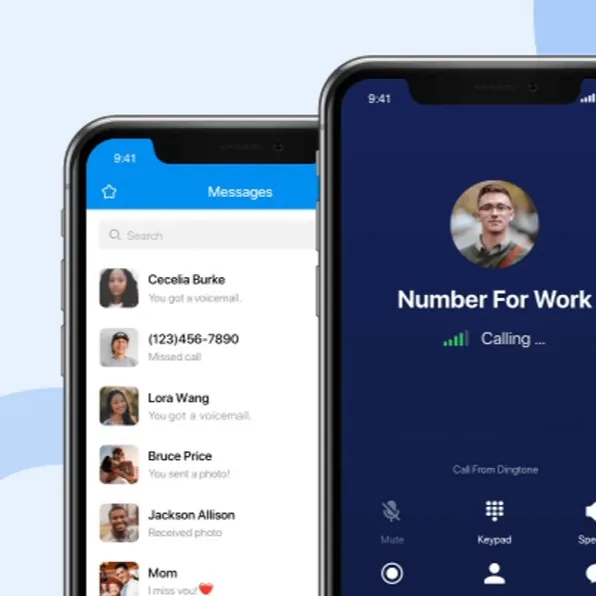
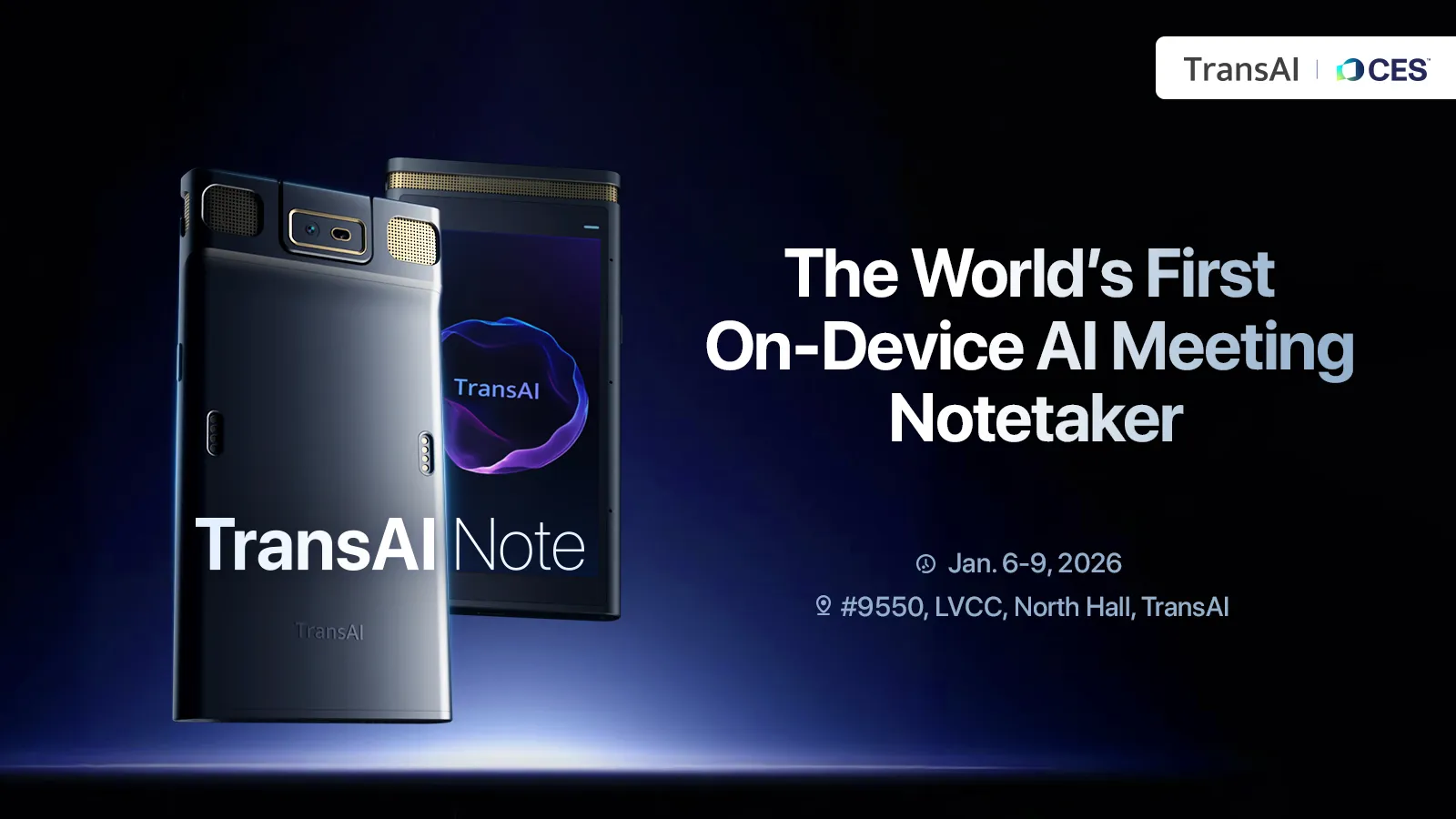
Dingtone, flagship app of Talktone Inc., supplies millions around the world with extra phone numbers, all free through an ad-supported model. At CES 2026, Talktone Inc. introduced TransAI Note, an on-device AI meeting recorder and transcription device.
Making the connection

Nearly 30 years ago, way before FaceTime was a verb, and Zoom was just a catchphrase for speed, and Slack still meant… well, slack, Steve Wei had already counted himself a veteran of the telecommunications world.

In fact, he was there at the dawn of web conferencing, designated as one of the earliest employees at communications-as-a-service pioneer WebEx, and if that weren’t impressive enough, he's even built and sold another company in this very space.

“I’ve been in the communication business for a very long time,” he says. “It’s kind of in my blood.”

But despite all that, the idea for Talktone’s Dingtone app came from, of all things, a personal frustration of Steve’s. “I travel a lot,” he explains. “Sometimes I needed to receive phone calls when I was outside the U.S.”

Back then, getting a second phone number like that (especially one that worked for someone while traveling outside the U.S.) was, as Steve characterized it, harder than it needed to be.

So, to fix this for himself, he launched Dingtone in 2012 under his company Talktone Inc., giving himself and any interested users free phone numbers and the option to juggle multiple lines from a single phone.

And just like that, what started out as Steve trying to address his own annoyance, quickly amassed a fanbase, to the order of 1 million users in its first year on Android to be precise.

“It’s a simple idea,” Steve says, humbly. “People want a second phone number.” In essence, the market was calling Steve back, and it was saying loud and clear on the line: we want this thing you’ve made, just not at any added cost.

Keeping the lines open

But offering something for free, anything in fact, even phone numbers, invariably leads you to a riddle: how to build a business around something people don’t necessarily pay anything for, let alone maintain it, keep it running, improve upon it?

For Steve, though, the answer rang through pretty clearly, and that was ads. “When the product is free, you need a way to monetize,” he explains. “Advertising was basically the only option.”

Once the monetization strategy had been laid out, it was time for Talktone to then choose an ad provider, at which point Steve went with Google AdMob. “In the beginning, advertising revenue grew very quickly,” Steve remembers. “It scaled to millions pretty fast.”

And that early money for Talktone really mattered too. That’s because Talktone didn’t have an angel investor waiting in the rafters; they were self-funded.

Plus, by not putting a paywall up and instead letting ads support the experience, Dingtone’s reach was pretty much uncapped. And, as fate would have it, Steve and the team turned out to be right once more.

Today, Dingtone has already passed the 100 million download mark, serving a massive global audience every day. The majority of their user base resides in the United States where free numbers tend to be easier to obtain.

And while the company has since introduced some paid features, ads still play a meaningful role, now representing about 20 to 30% of company revenue, still supporting free access for those 100 million users and counting.

“When the product is free, you need a way to monetize. Advertising was basically the only option.”
On to a new frequency

Even though Dingtone has grown into a mature product at this point, widely used and running stably, for Steve, that was always just the beginning. “I’m a product person,” he pledges. “The exciting part is building something that people use and like.”

And now, he gets to build with something else entirely: AI.

Steve and his team, over these past several years, have been cooking up new products, across both software and hardware, that offers a new angle from the other AI-based communications solutions out there — and that’s on-device AI.

One example: a device that can record and transcribe meetings for you entirely without an internet connection, keeping sensitive recordings off the cloud and thereby making them inherently more private.

Another device is a translation tool that also works offline, making help immediately available for travelers when they need it most, like when they’ve just arrived somewhere and can’t always count on internet access right away, yet somehow still need to navigate their new surroundings.

And the more Steve walks through Talktone’s product roadmap, the more you start to realize, this is just the beginning for Talktone. “We’re transforming the company toward AI,” he explains. “That’s the future.”

Steve’s advice to any aspiring entrepreneur out there reading this reflects his philosophy since his WebEx days, which is to make something useful for people, first and foremost. “If people like it, everything else… marketing, monetization, comes naturally.”

And that playbook has held up remarkably well after all these years. Talktone Inc, now employs around 200 people globally, and is still experimenting, still growing.

From pings to calls to Dingtone lines, the ways that people choose to communicate will inevitably keep changing. And Steve will just keep building.

About the Publisher

Steve Wei, a longtime veteran of the telecommunications industry, is the founder & CEO of Talktone Inc., the company behind Dingtone, a communications app that gives users free phone numbers, essentially turning one phone into a mini call center with multiple lines. A builder at heart, Steve has now spent more than 30 years making products that help people stay connected. Based out of Sunnyvale, California, he’s now leading Talktone into new categories of AI-powered software and hardware products.

Dingtone, flagship app of Talktone Inc., supplies millions around the world with extra phone numbers, all free through an ad-supported model.